Worksheets & References

Worksheets & References
A conclusion is the place where you got tired of thinking
Arthur Bloch
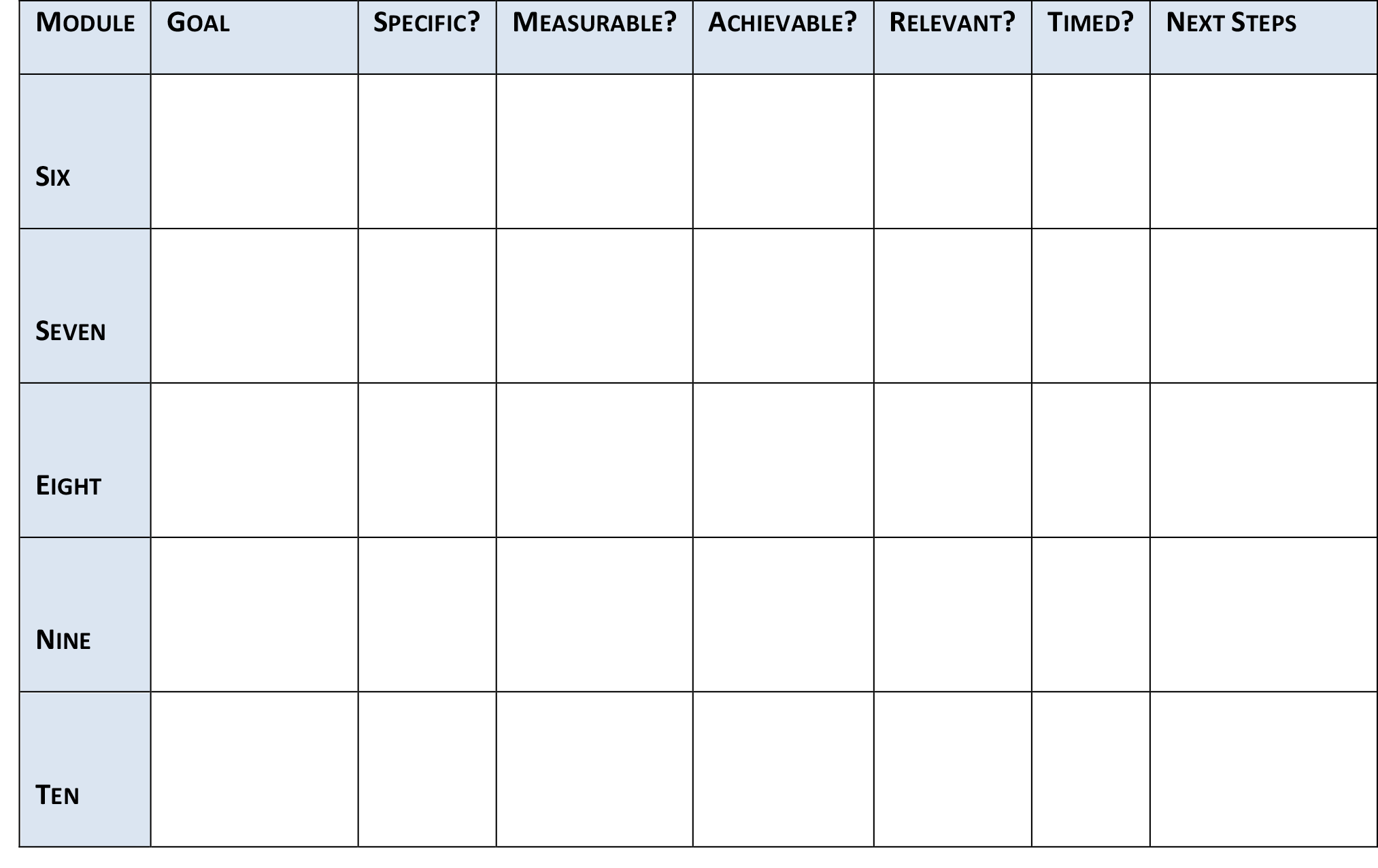
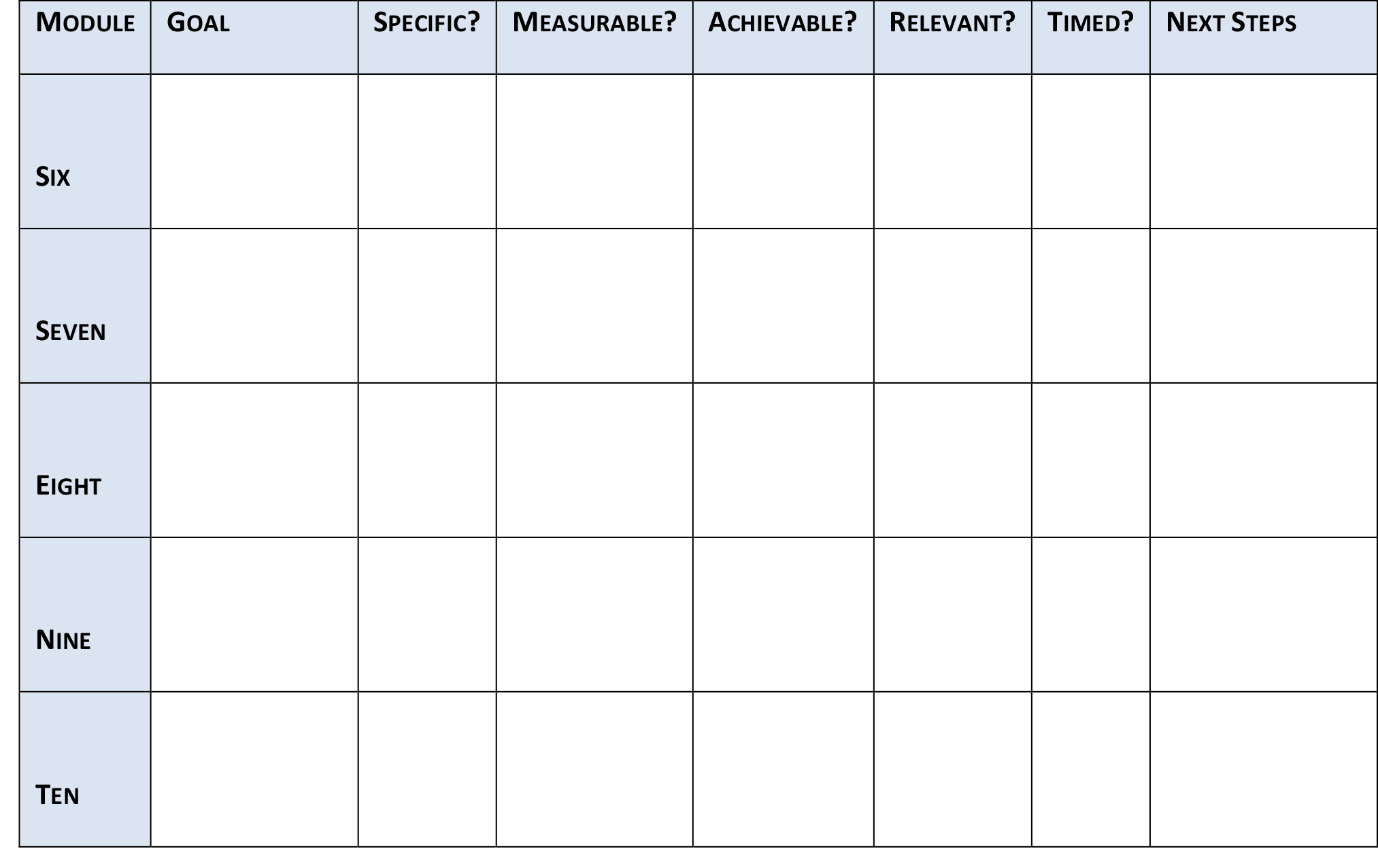
Although this course is coming to a close, we hope that your journey to improve your Book Keeping is just beginning. Please take a moment to review and update your action plan. This will be a key tool to guide your progress in the days, weeks, months, and years to come. We wish you the best of luck on the rest of your travels!
Worksheet One: Basic Terminology Word Search
Basic Terminology
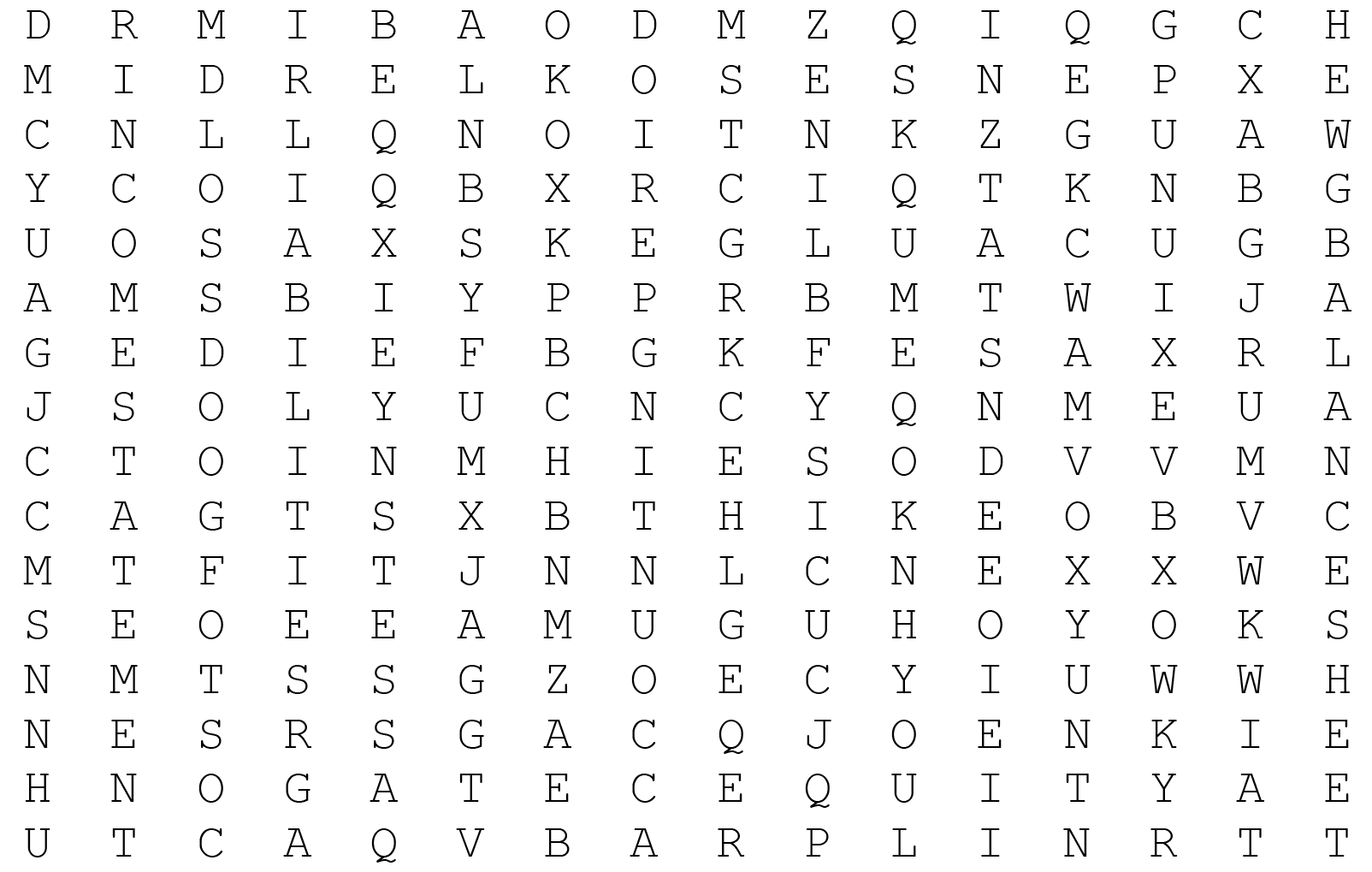
Accounting Period
Assets
Balance Sheet
Cost of Goods Sold
Equity
Expenses
Income Statement
Liabilities
Revenue
Worksheet Two: Basic Terminology Crossword Puzzle

Across
1. Kate has been running her women’s shoe store business for years now and has kept record of all debit and credit transactions made on behalf of her business in her________.
5. A primary source of revenue for businesses.
6. A permanent classified record. (2 Words)
7. A T-Account. (2 Words)
8. A bank has just taken a risk by loaning money to a new business, what might be the banks compensation for such a loan?
9. A record which keeps track of money owed by a business. (2 Words)
Down
2. A record which keeps track of money owed to a business. (2 Words)
3. A list of employees which a business must pay which includes the pay amount due.
4. A decline in the value of assets
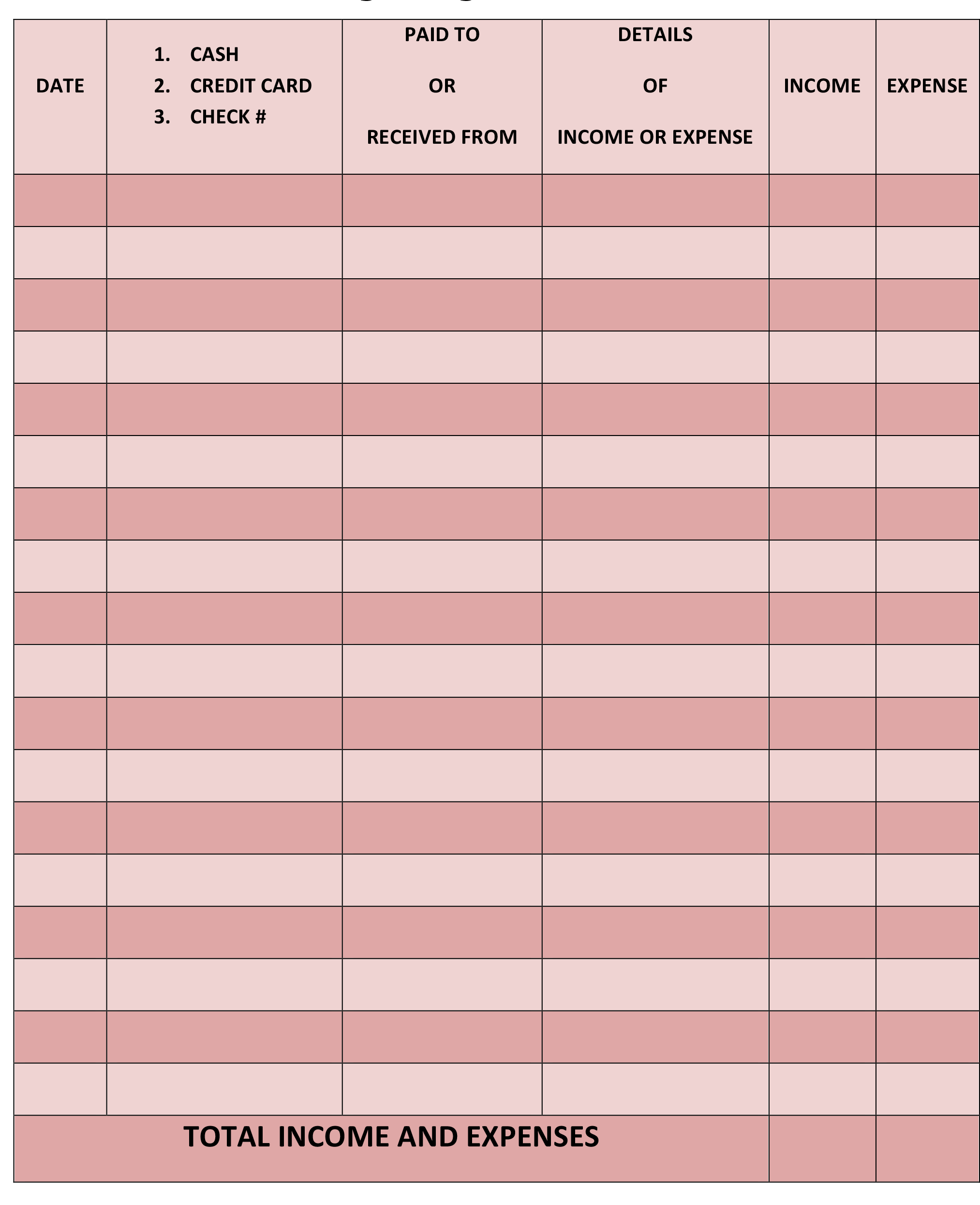
Worksheet Three: Beginning Journal
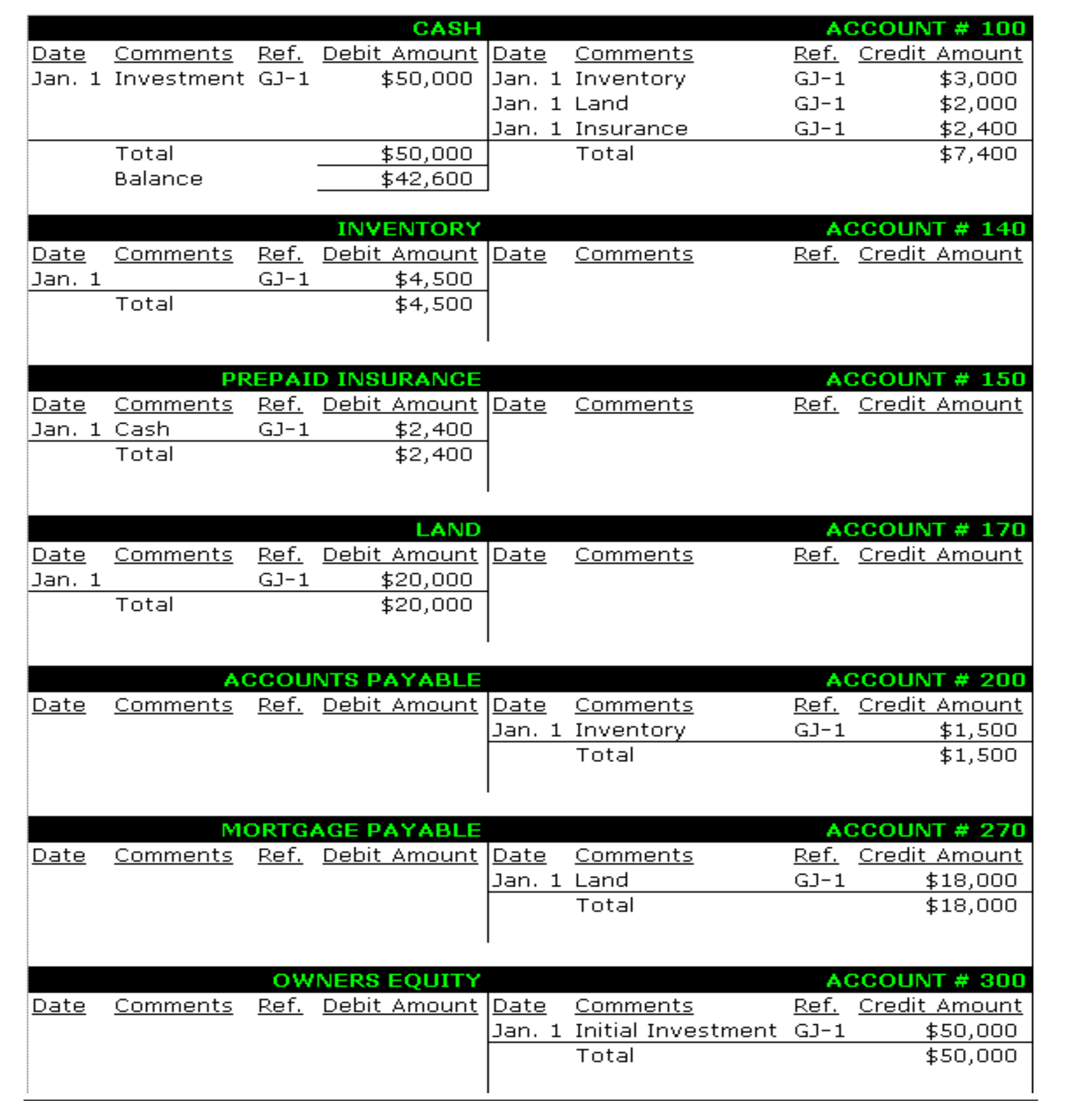
Handout One: Sample General Ledger
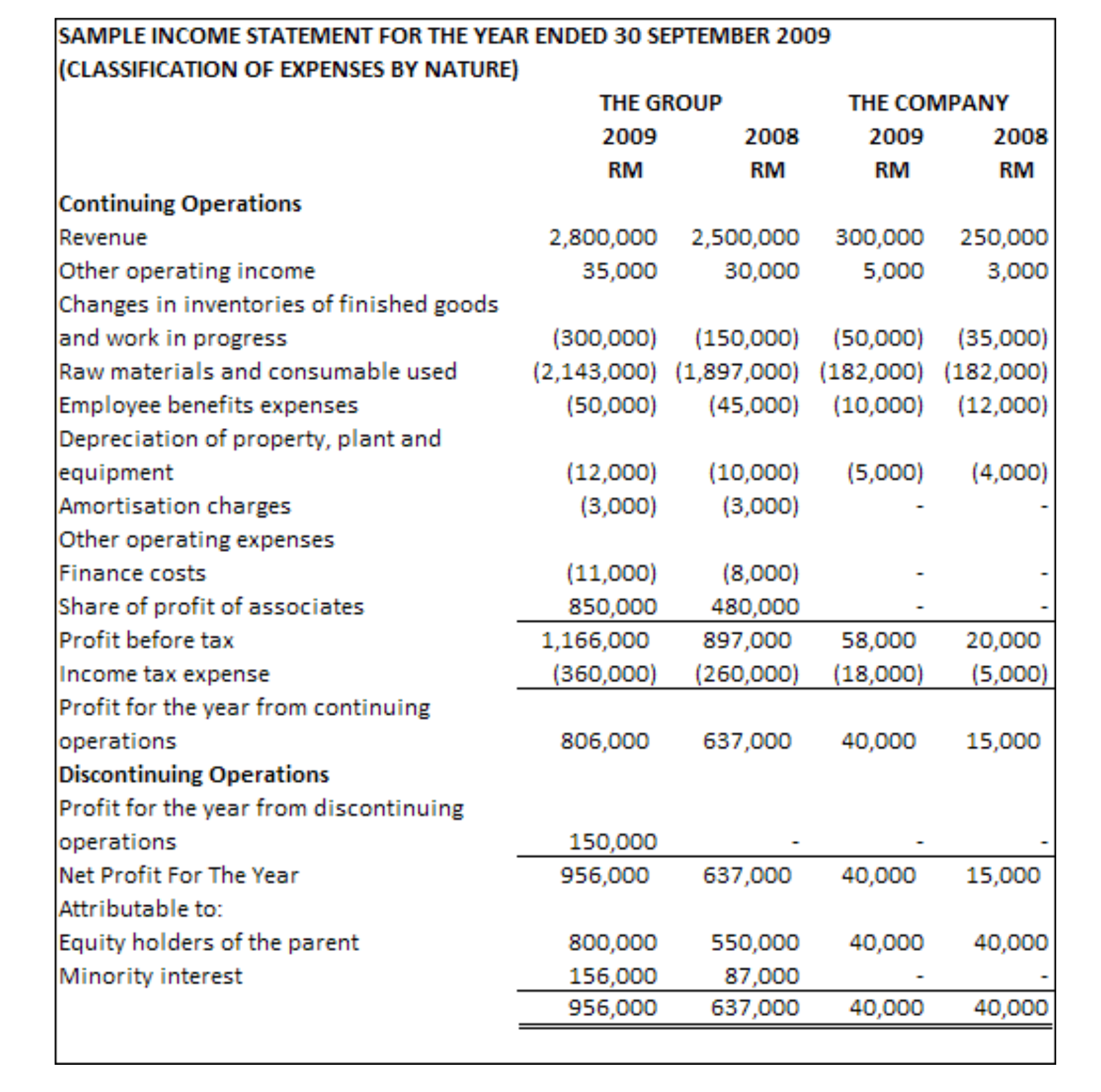
Handout Two: Income Statement
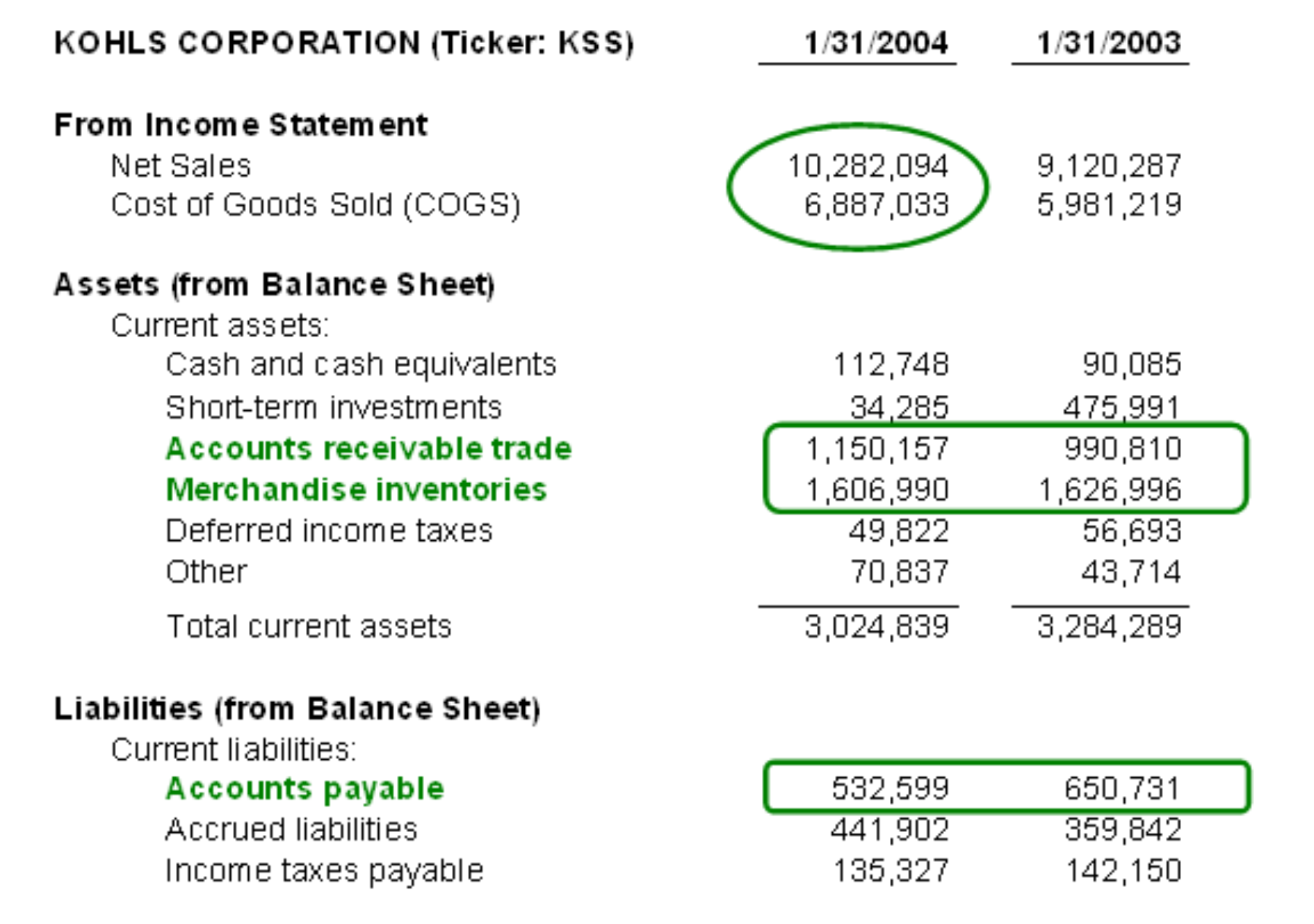
Handout Three: Cash Flow Statement

Handout Four: Capital Statement
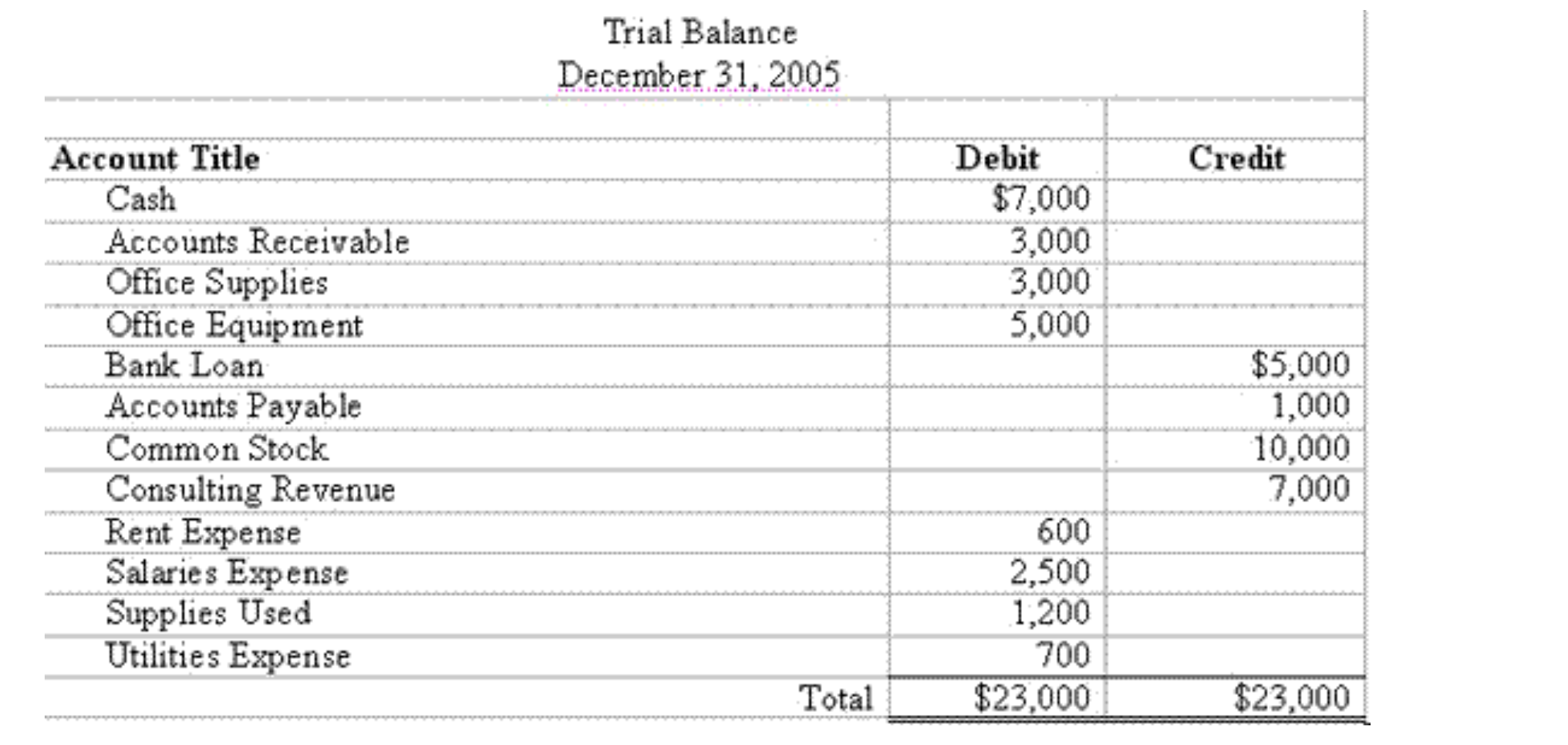
Handout Five: Trial Balance
Bibliography
Bandler, J. (1994) How to Use Financial Statements: A Guide to Understanding the Numbers
Eisen P. (2003) Accounting the Easy Way
Epstein, L. (2006) Bookkeeping for Dummies
Fox, J. (1994) Accounting and Recordkeeping Made Easy for the Self-Employed
Ittleson, T. (2009) Financial Statements: A Step-by-Step Guide to Understanding and Creating Financial Reports
Loughran, M. (2010) Auditing for Dummies
Mohr, A. (2010) Bookkeepers’ Bootcamp: Get a Grip on Accounting Basics (Numbers 101 for Small Business)
Mullis, D. and Orloff, J. (1998) The Accounting Game: Basic Accounting Fresh from the Lemonade Stand
Rachlin, R. and Sweeny, A. (1996) Accounting and Financial Fundamentals for Non Financial Executives
Weygandt, J., Kieso, D. and Kimmel, P. (2004) Accounting Principles, 7th Edition, with PepsiCo Annual Report
Bandler, J. (1994) How to Use Financial Statements: A Guide to Understanding the Numbers
Eisen P. (2003) Accounting the Easy Way
Epstein, L. (2006) Bookkeeping for Dummies
Fox, J. (1994) Accounting and Recordkeeping Made Easy for the Self-Employed
Ittleson, T. (2009) Financial Statements: A Step-by-Step Guide to Understanding and Creating Financial Reports
Loughran, M. (2010) Auditing for Dummies
Mohr, A. (2010) Bookkeepers’ Bootcamp: Get a Grip on Accounting Basics (Numbers 101 for Small Business)
Mullis, D. and Orloff, J. (1998) The Accounting Game: Basic Accounting Fresh from the Lemonade Stand
Rachlin, R. and Sweeny, A. (1996) Accounting and Financial Fundamentals for NonFinancial Executives
Weygandt, J., Kieso, D. and Kimmel, P. (2004) Accounting Principles, 7th Edition, with PepsiCo Annual Report